News Center
Learn everything about us, latest news and events
Premium Charcoal for Bakhoor & BBQ: Solve Your Biggest Pain Points and Boost Profits Today
Solve your charcoal distribution pain points—short burn times, smoke, compliance issues—and boost profits with our premium, EUDR-compliant bakhoor & BBQ charcoal. Get consistent quality, 50% price premiums, and happy customers today.
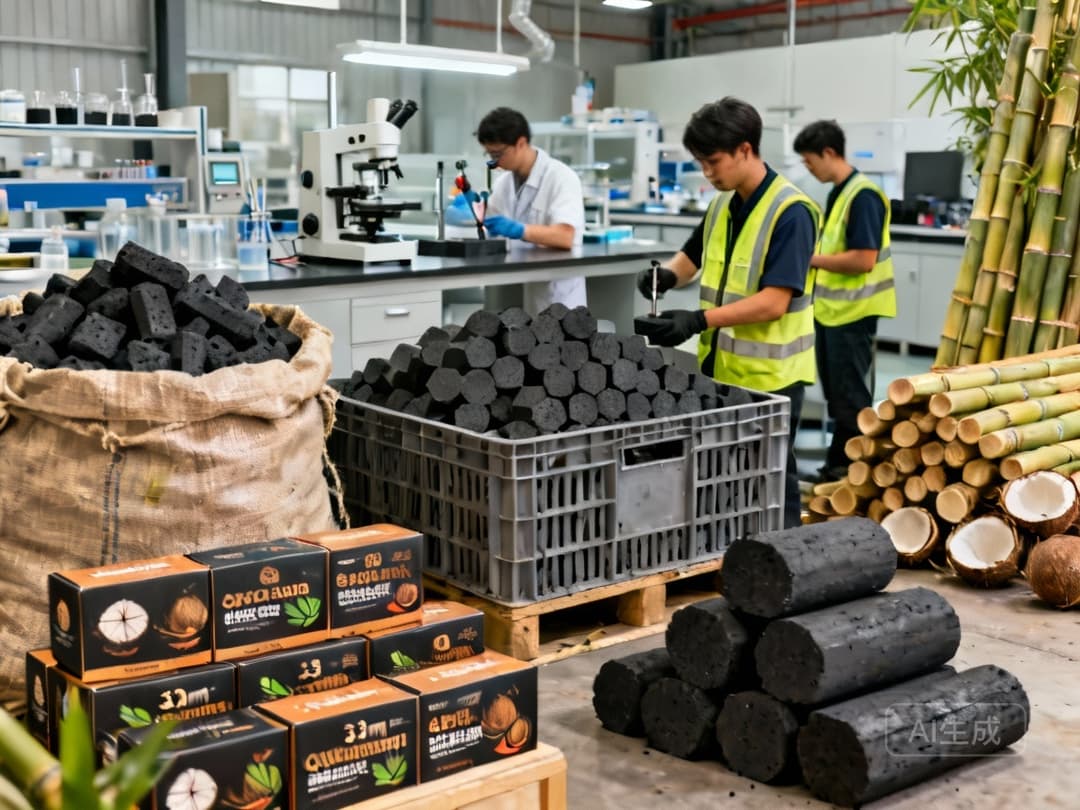
Transform Charcoal: From Commodity to 60% Margin Brand Asset #8
Transform from commodity supplier to premium brand. Achieve 30-60% margins by leveraging EUDR compliance for a 30-50% price premium and targeting high-growth segments like the $64B Bakhoor market. A strategic blueprint for sustainable profitability.
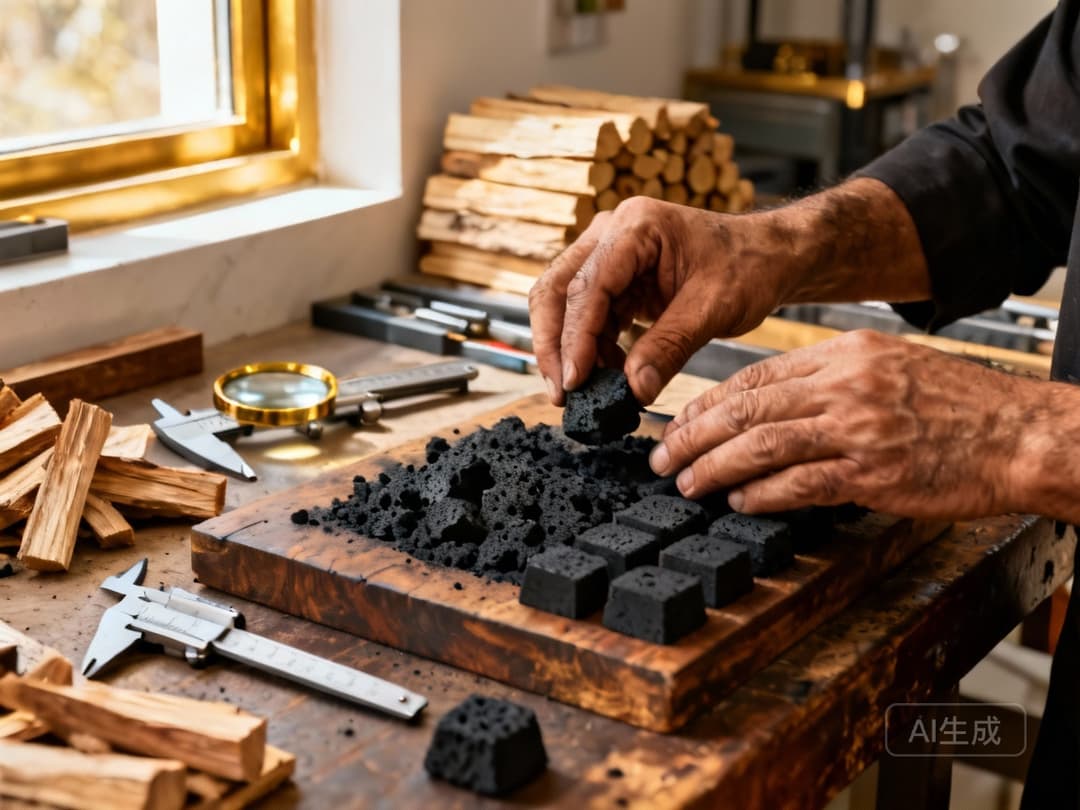
Transform Charcoal into High-Value Sensory Products: A 400% ROI Blueprint
Transform from bulk charcoal to high-value sensory products like Bakhoor. Achieve 30-60% margins and proven 400% ROI by tapping into the $64B agarwood and $45B MEA markets with 6.86% CAGR. A strategic pivot for exporters.
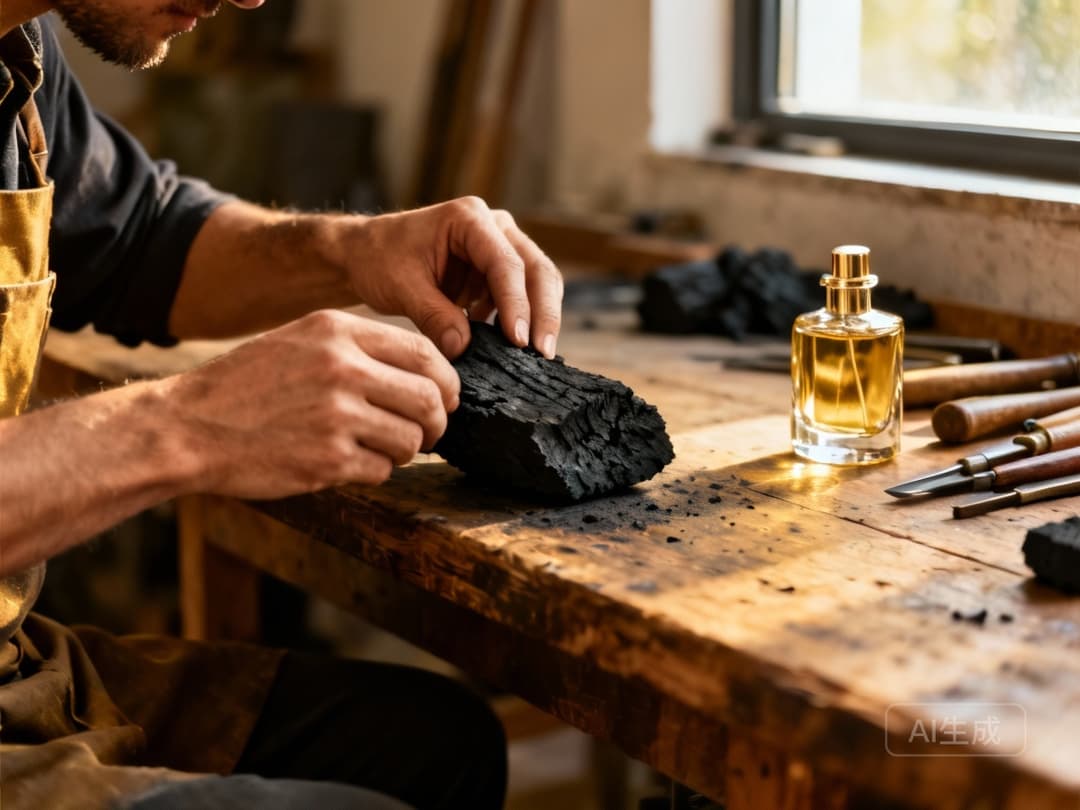
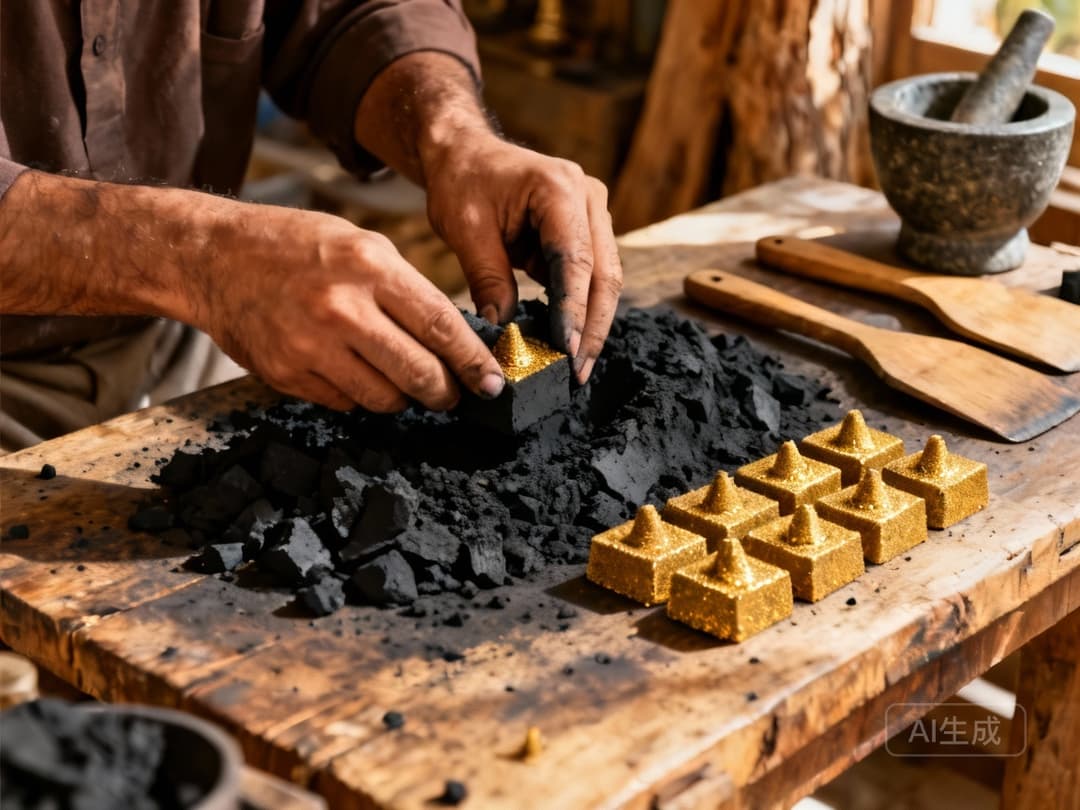
EUDR compliance drives 50% premium: How charcoal suppliers can transform into high-value sensory experience enablers # 6
EUDR compliance transforms charcoal from commodity to premium sensory catalyst, unlocking 30-50% price premiums in a $30.7B market. Data shows strategic pivots to high-value uses like fragrance can tap into multi-billion dollar growth sectors.
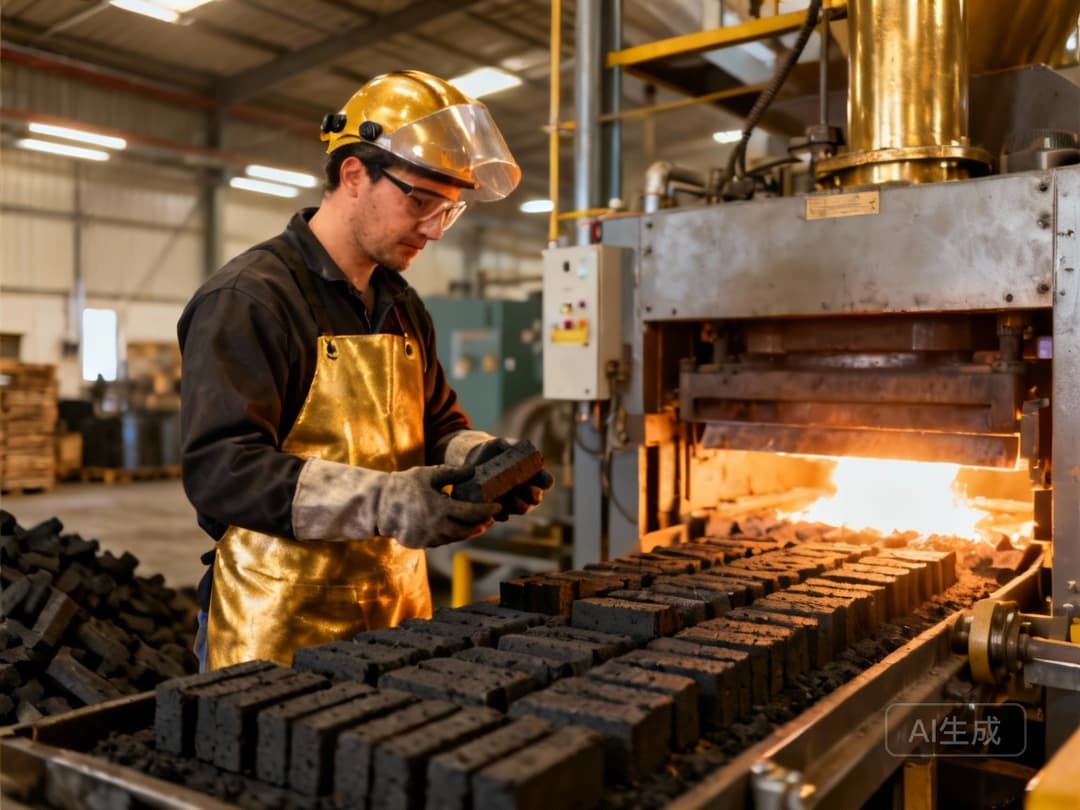
Turn Compliance into Cash: A 3-Step Model to Unlock 30%+ Premiums in Bakhoor & Charcoal #5
Transform compliance from cost to profit. The global charcoal market offers 30-50% premiums for certified, sustainable products like Bakhoor. Our 3-tier model shows how to structure certifications as a financial asset, unlocking 4-6x higher margins and securing market access.
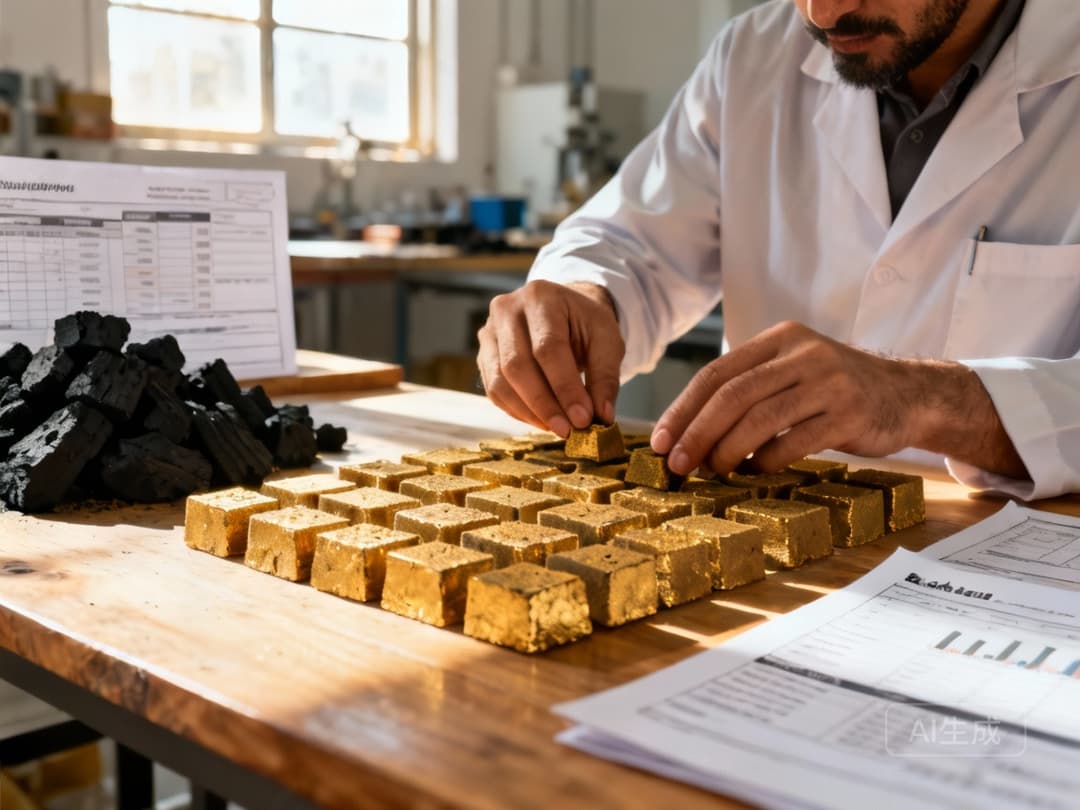
Transform Charcoal: 4-6x Profit via EUDR Compliance & Bakhoor Tech #4
EUDR compliance unlocks 30-50% price premiums. Shifting to premium Bakhoor can multiply profits 4-6x, transforming a $307B market. A strategic supply chain redesign turns regulatory cost into a high-margin growth engine.
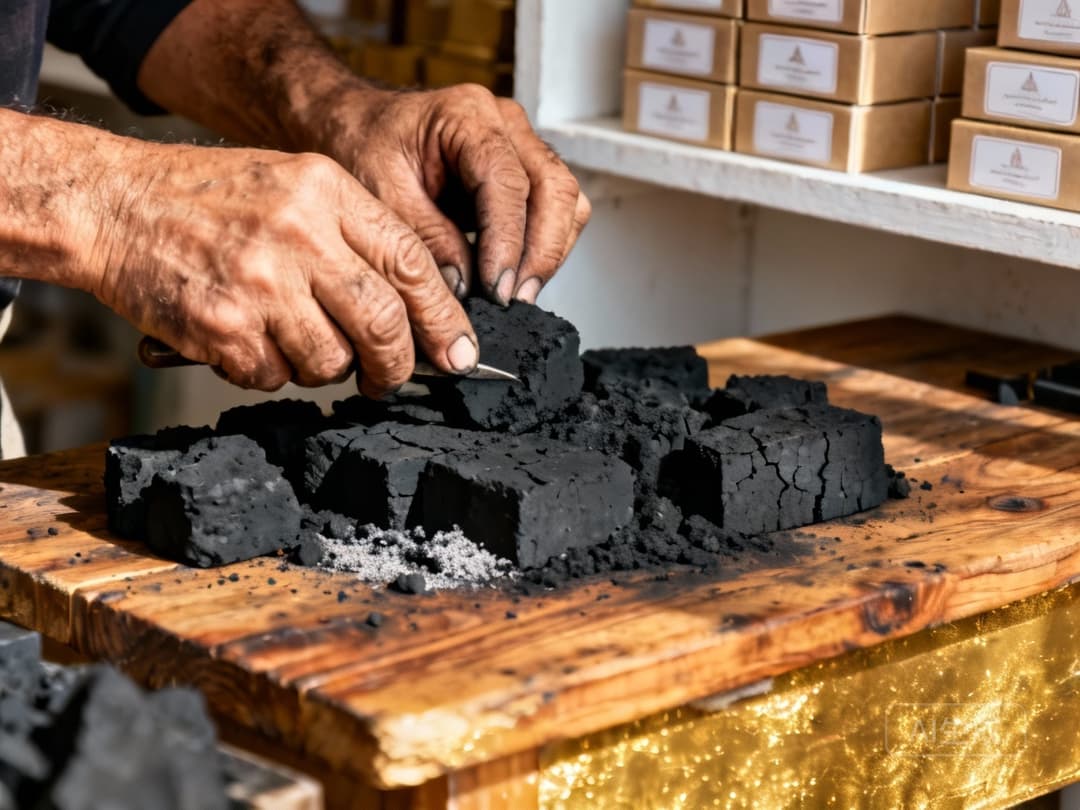
Transform Charcoal: Unlock 4-6X Profit in the $70M+ Bakhoor Market #3
Pivot to premium Bakhoor charcoal for 4-6X higher profit margins (30-60%). Capitalize on the $70M+ market driven by sensory experience, not just fuel. Strategic adaptation addresses key user demands, transforming a commodity into a high-value product.
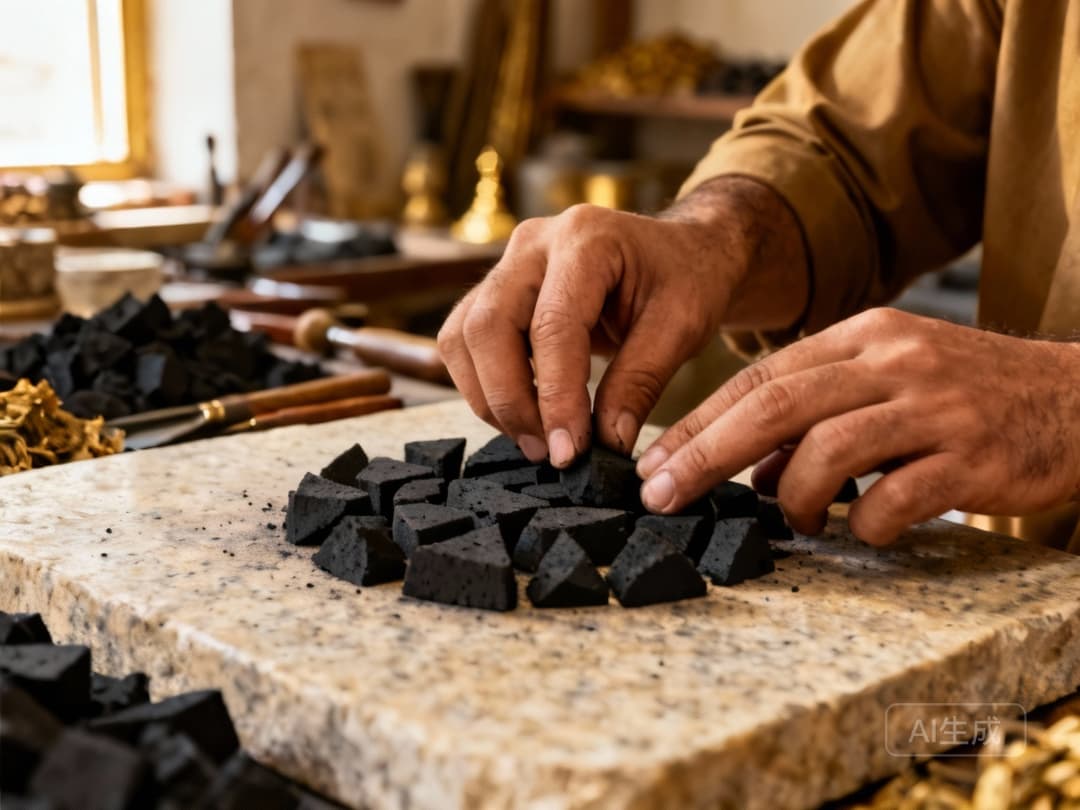
Bakhoor Carbon Transformation Guide: From Fuel to Fragrance, Achieve 4-6 Times Profit Leap # 2
Transform from fuel to fragrance: Bakhoor charcoal commands $12-$15/kg in regulated markets, delivering 4-6x higher profit margins than standard barbecue charcoal. Seize a strategic position in the $307B global market's high-growth luxury segment.
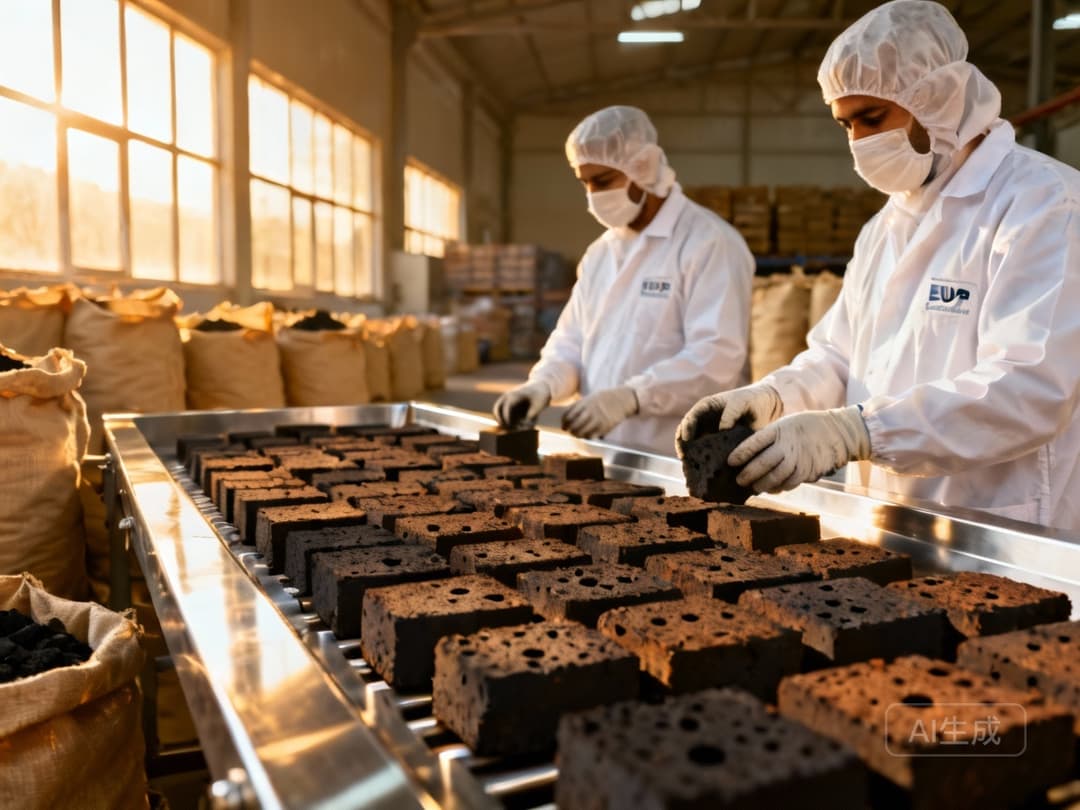
From Compliance to 50% Premium: A Data-Driven Guide to Modernizing Your Charcoal Business #1
Transform compliance into profit. The $307B charcoal market is bifurcating, with EUDR-aligned, sustainable products securing 30-50% price premiums. Modernize your value chain to capture this high-margin segment.

News
Premium Bakhoor and BBQ Charcoal: The Key to Boosting Customer Satisfaction and RevenueHow Premium Bakhoor & BBQ Charcoal Solves Your Business's Biggest ChallengesPremium Bakhoor & BBQ Charcoal Solutions for Business GrowthElevate Your Charcoal Business with Premium Solutions: Solving Pain Points in a Booming MarketElevate Your Business with Premium, Chemical-Free Charcoal: Solutions for Bakhoor & BBQHow Premium Charcoal Solves Your Business Challenges and Drives GrowthHow to Choose the Right Charcoal Supplier for Your Business: Quality, Cost, and ConsistencyElevate Your Incense and BBQ Offerings with Premium Charcoal SolutionsPremium Bakhoor & BBQ Charcoal: The Key to Solving Your Business's Operational HeadachesElevate Your Charcoal Business with Premium, High-Demand Solutions: From Bakhoor to BBQProducts
27mm Charcoal Tablets for Church Incense UseHookah Charcoal Tongs Stainless Steel Multi-Size Charcoal Tongs Hookah AccessoryWrought Iron Charcoal Incense Burner with Floral Carving - Middle Eastern Arabic Living Room DecorArab Golden Incense Burner, Home Indoor Cone Incense Burner, Small Middle Eastern Style Incense BurnerVintage Aladdin Lamp Incense Burner - Metal Craft Desktop Ornament in Luxe StyleCrystal Glass Arabian Style Incense Burner - Middle Eastern Craft Ornament - Muslim Aromatherapy Burner - Home DecorMiddle Eastern Arabic Creative Hollow Incense Burner, Light Luxury Style Living Room Tabletop Decorative Ornament, Incense BurnerGolden Arabic Style Charcoal Incense Burner - Living Room Tabletop Decorative Ornament & Aromatherapy BurnerMinimalist Modern Luxury Square Chalice Incense Burner - Middle Eastern Arabic Style Home DecorMiddle Eastern Arabian Style Ceramic Moon Incense Burner - Multi-color Options Semi-handcrafted Aromatic Decor