News Center
Learn everything about us, latest news and events
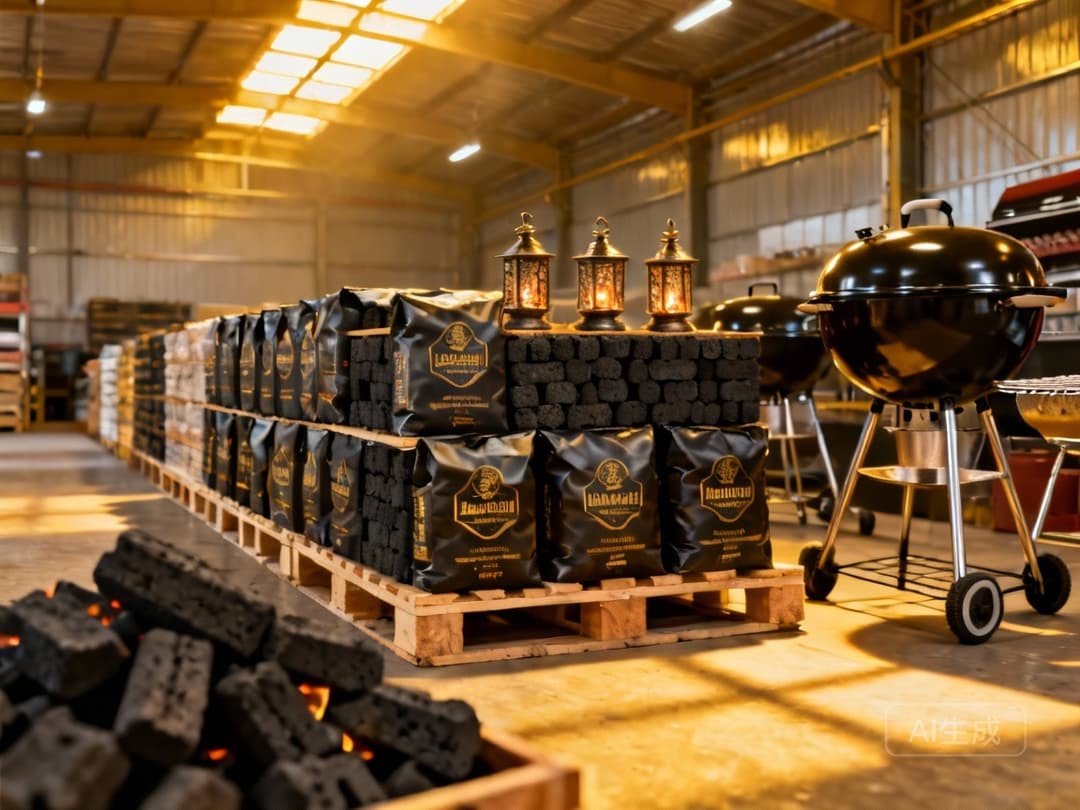
Premium Charcoal for Bakhoor & BBQ: Solve Your Biggest Business Pain Points and Increase Profits
Learn how premium charcoal solves key business challenges like short burn time and excess smoke, directly boosting profits for bakhoor and BBQ ventures. Discover essential criteria and real-world success stories.
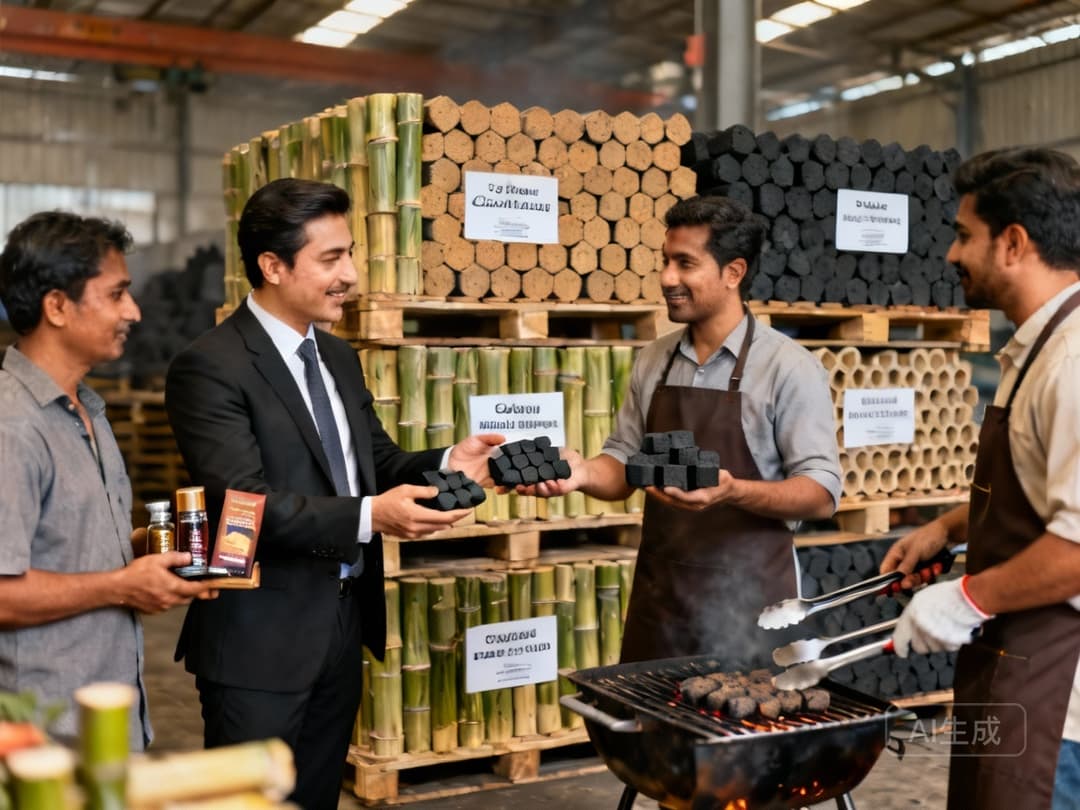
The Business Owner’s Guide to Bakhoor & BBQ Charcoal: Solve Costly Pain Points and Grow Your Bottom Line
For bakhoor sellers, BBQ caterers, and distributors, poor charcoal choices drain profits via short burns, smoke, and inconsistency. This guide reveals how to select premium, use-case-specific charcoal from trusted manufacturers to reduce costs, fix pain points, and grow your business.

Eliminate Charcoal Headaches: The Definitive Guide for Bakhoor Sellers, BBQ Caterers, and Distributors
Bakhoor sellers, BBQ caterers, and distributors lose money and customers to poor charcoal—fast burn, smoke, high ash, chemical risks. This guide shares non-negotiable charcoal features, our solution-driven products, and how businesses like yours cut costs, boost satisfaction, and scale with reliable charcoal.
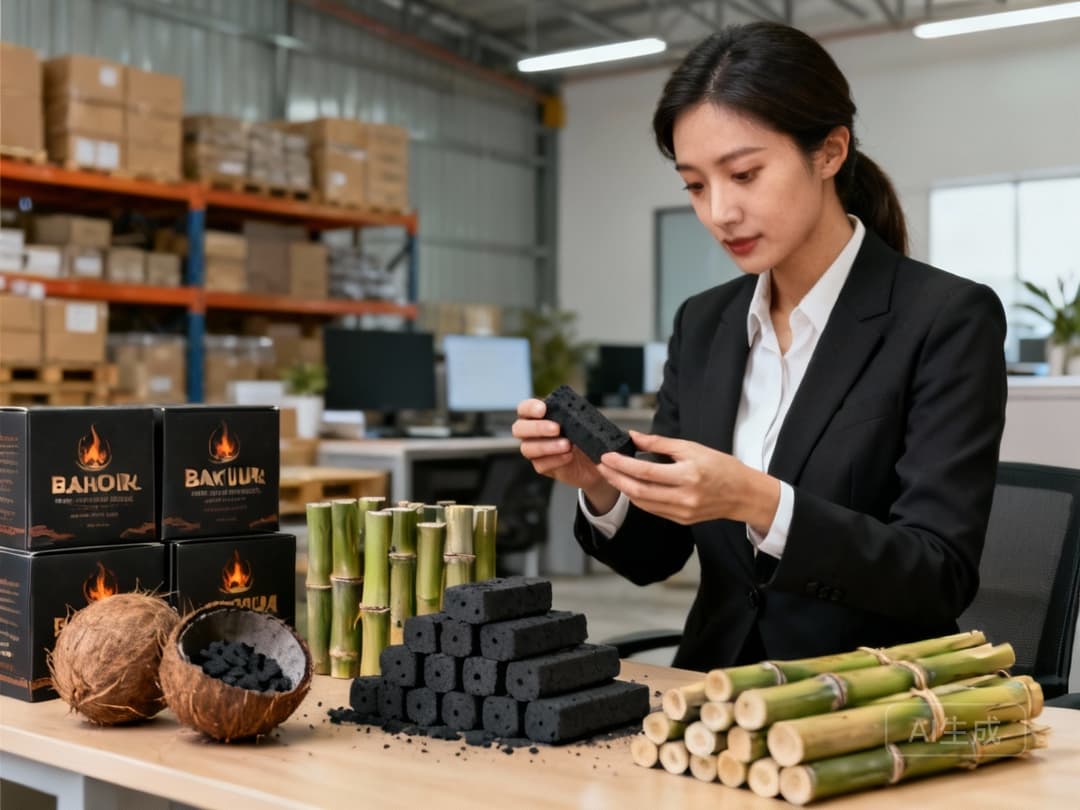
How the Right Bakhoor & BBQ Charcoal Can Boost Your Business and Eliminate Costly Headaches
Discover how selecting high-quality, purpose-built charcoal can solve common business pain points like short burn times and smoke issues, enhancing customer experiences and boosting profitability for bakhoor sellers and BBQ caterers.

How to Choose the Right Charcoal for Bakhoor & BBQ: Solve Costly Pain Points and Grow Your Business
This guide helps bakhoor sellers and BBQ caterers select charcoal that solves pain points like short burn time and excessive smoke, boosting customer satisfaction and business growth through proven solutions.
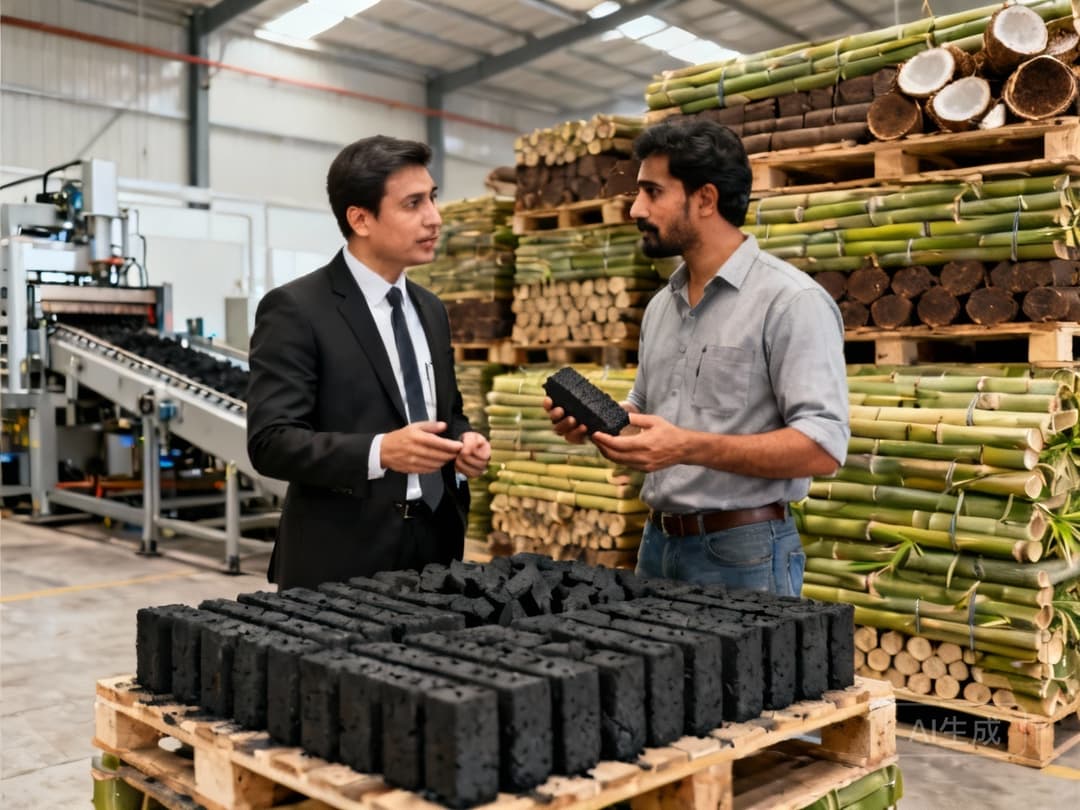
Choosing the Right Bakhoor & BBQ Charcoal: Solve Pain Points and Boost Your Bottom Line
For bakhoor sellers, BBQ caterers, and charcoal distributors, the wrong charcoal drains profits and damages reputation. This guide helps you choose fuel that solves operational headaches—like short burn time, smoke, and inconsistent quality—and drives 20–50% profit growth with proven, ROI-focused solutions.
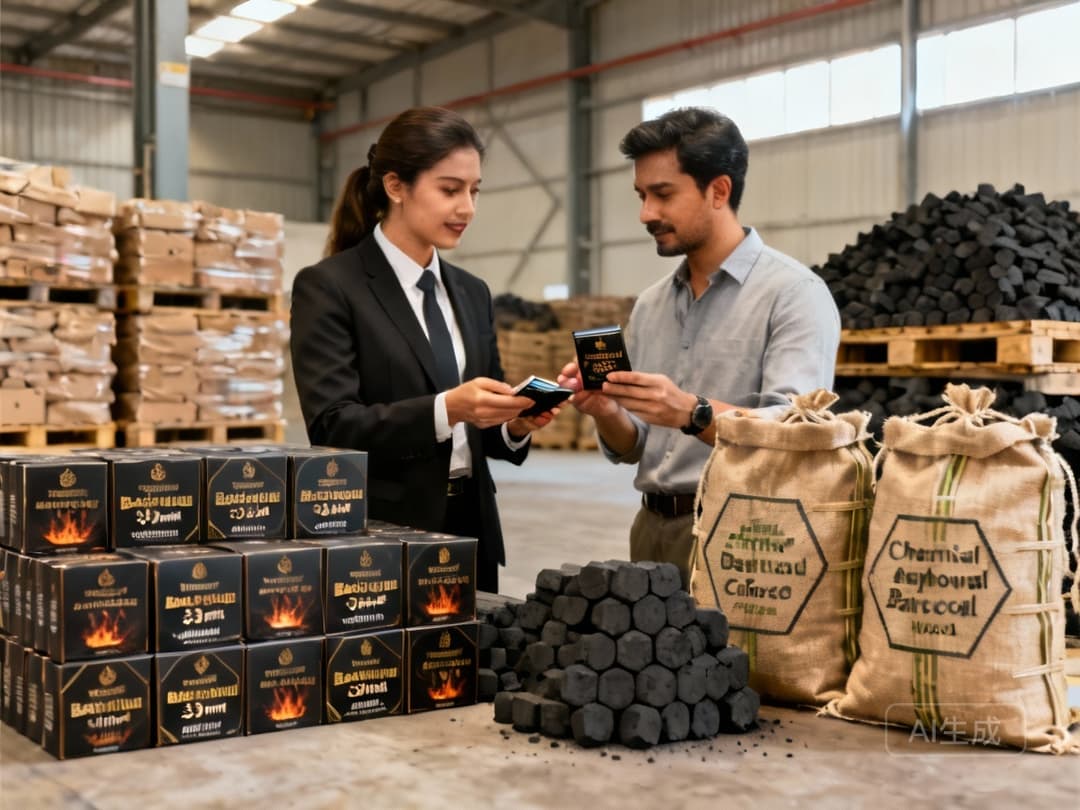
Choosing the Right Charcoal for Bakhoor & BBQ: Solve Your Top Pain Points and Grow Your Business #11
Solve top pain points for bakhoor sellers, BBQ caterers, and distributors with our chemical-free, long-burning, quick-light charcoal. Boost profits, reduce waste, and grow your business with tailored solutions—from premium incense charcoal to smokeless BBQ options and bulk/OEM customization.
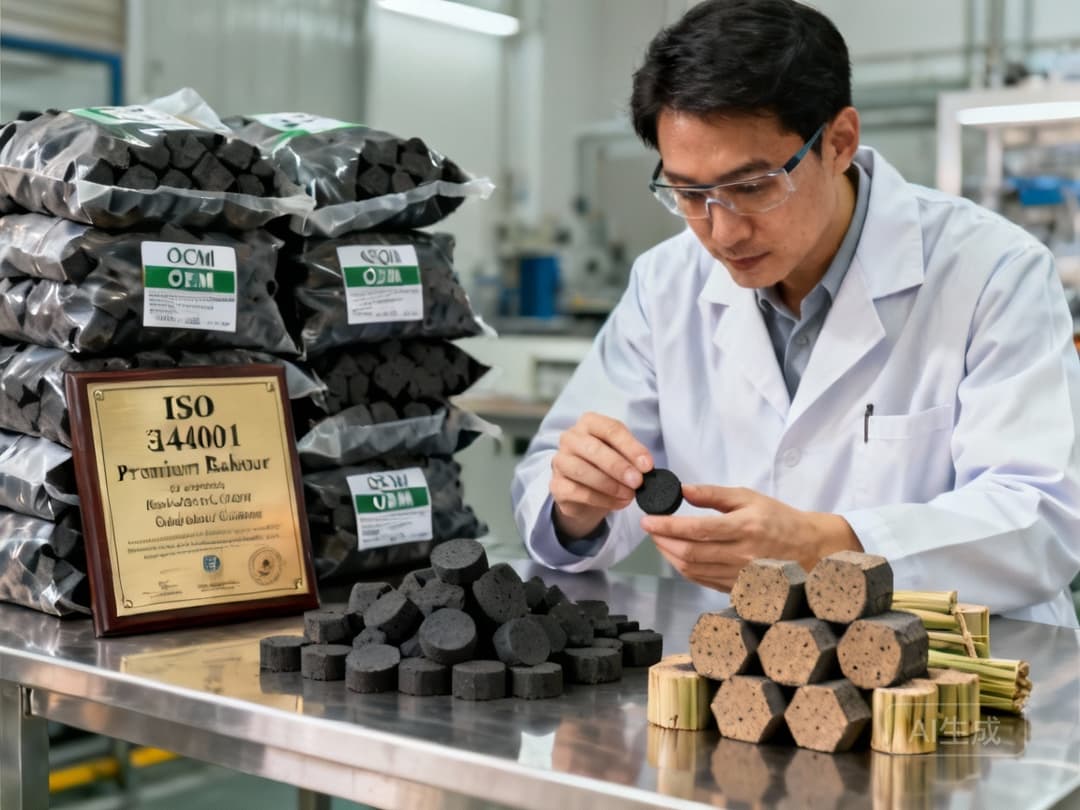
Stop Losing Money on Charcoal: The Profitable Solution for Bakhoor Sellers, BBQ Caterers, and Distributors #10
For bakhoor sellers, BBQ caterers, and distributors, inferior charcoal drains profits via short burns, smoke, and inconsistency. Discover high-performance, ISO-certified charcoal that cuts costs, boosts quality, and grows your bottom line—start with a free consultation and samples today.
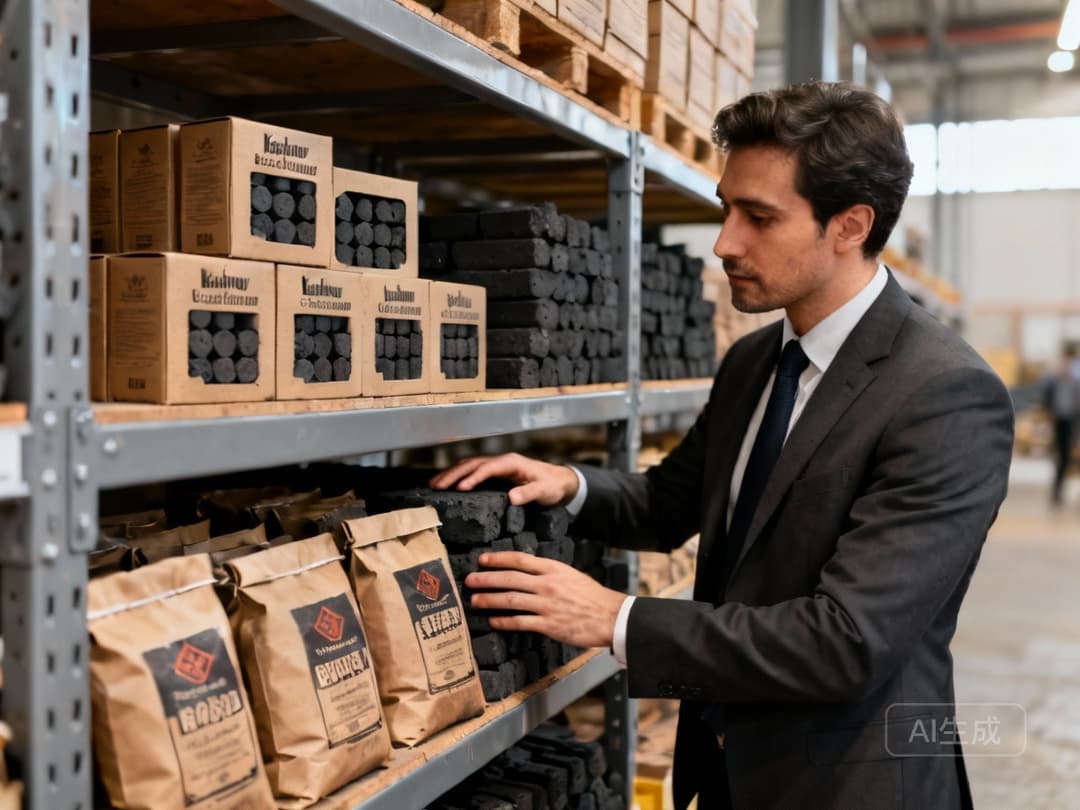
The Ultimate Guide to Choosing Bakhoor & BBQ Charcoal: Solve Pain Points and Grow Your Business #9
A comprehensive B2B guide on selecting bakhoor and BBQ charcoal to address common issues like short burn times and smoke, helping businesses improve profits and grow.

News
Premium Bakhoor and BBQ Charcoal: The Key to Boosting Customer Satisfaction and RevenueHow Premium Bakhoor & BBQ Charcoal Solves Your Business's Biggest ChallengesPremium Bakhoor & BBQ Charcoal Solutions for Business GrowthElevate Your Charcoal Business with Premium Solutions: Solving Pain Points in a Booming MarketElevate Your Business with Premium, Chemical-Free Charcoal: Solutions for Bakhoor & BBQHow Premium Charcoal Solves Your Business Challenges and Drives GrowthHow to Choose the Right Charcoal Supplier for Your Business: Quality, Cost, and ConsistencyElevate Your Incense and BBQ Offerings with Premium Charcoal SolutionsPremium Bakhoor & BBQ Charcoal: The Key to Solving Your Business's Operational HeadachesElevate Your Charcoal Business with Premium, High-Demand Solutions: From Bakhoor to BBQProducts
27mm Charcoal Tablets for Church Incense UseHookah Charcoal Tongs Stainless Steel Multi-Size Charcoal Tongs Hookah AccessoryWrought Iron Charcoal Incense Burner with Floral Carving - Middle Eastern Arabic Living Room DecorArab Golden Incense Burner, Home Indoor Cone Incense Burner, Small Middle Eastern Style Incense BurnerVintage Aladdin Lamp Incense Burner - Metal Craft Desktop Ornament in Luxe StyleCrystal Glass Arabian Style Incense Burner - Middle Eastern Craft Ornament - Muslim Aromatherapy Burner - Home DecorMiddle Eastern Arabic Creative Hollow Incense Burner, Light Luxury Style Living Room Tabletop Decorative Ornament, Incense BurnerGolden Arabic Style Charcoal Incense Burner - Living Room Tabletop Decorative Ornament & Aromatherapy BurnerMinimalist Modern Luxury Square Chalice Incense Burner - Middle Eastern Arabic Style Home DecorMiddle Eastern Arabian Style Ceramic Moon Incense Burner - Multi-color Options Semi-handcrafted Aromatic Decor