News Center
Learn everything about us, latest news and events
Eliminate Costly Charcoal Headaches and Boost Your Bakhoor & BBQ Business
Inconsistent charcoal drains revenue for bakhoor and BBQ businesses—smoke chases customers, short burns waste labor, chemicals harm brands. Switch to quality, tailored charcoal: cut costs by 20%, boost loyalty, and grow your business today.

Stop Losing Money on Bad Charcoal: How the Right Bakhoor & BBQ Charcoal Drives Efficiency and Profit
For businesses relying on charcoal—from aromatherapy retailers to commercial BBQ joints—poor quality fuel wastes money, time, and customer trust. Discover how premium bakhoor and BBQ charcoal cuts operational costs by 20%, boosts satisfaction, and drives profit—stop losing money today.

How the Right Bakhoor & BBQ Charcoal Can Boost Your Business and Eliminate Hidden Costs
Learn how selecting the right bakhoor and BBQ charcoal can eliminate hidden costs, enhance product performance, and boost your business profits. Discover key features, tailored solutions, and actionable steps for optimal charcoal choice.

How the Right Bakhoor & BBQ Charcoal Can Boost Your Business and Eliminate Costly Headaches
Learn how premium bakhoor and BBQ charcoal cuts costs by 20%, boosts customer satisfaction, and drives business growth. Get expert insights and solutions tailored for retailers, caterers, and manufacturers.

Premium Quick Light Charcoal Tablets Size Guide (33mm–40mm)
Discover how selecting 33mm-40mm quick light charcoal tablets reduces costs, improves burn efficiency, and enhances customer satisfaction for B2B operations in aromatherapy and barbecue.
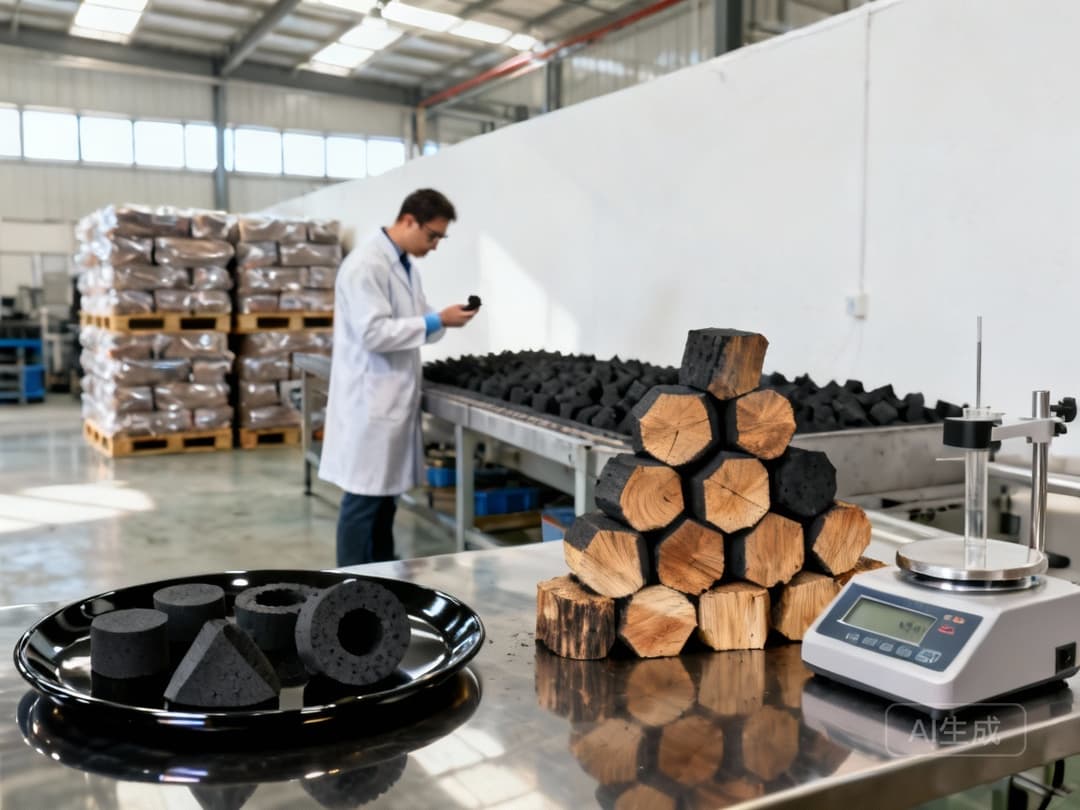
The Hidden Cost of Low-Quality Charcoal: How Premium Bakhoor & BBQ Charcoal Boosts Profitability and Eliminates Headaches
Discover how premium bakhoor and BBQ charcoal reduces costs by up to 30%, eliminates smoke complaints, and boosts repeat business. Learn key features and trends driving the shift to quality charcoal for enhanced profitability.
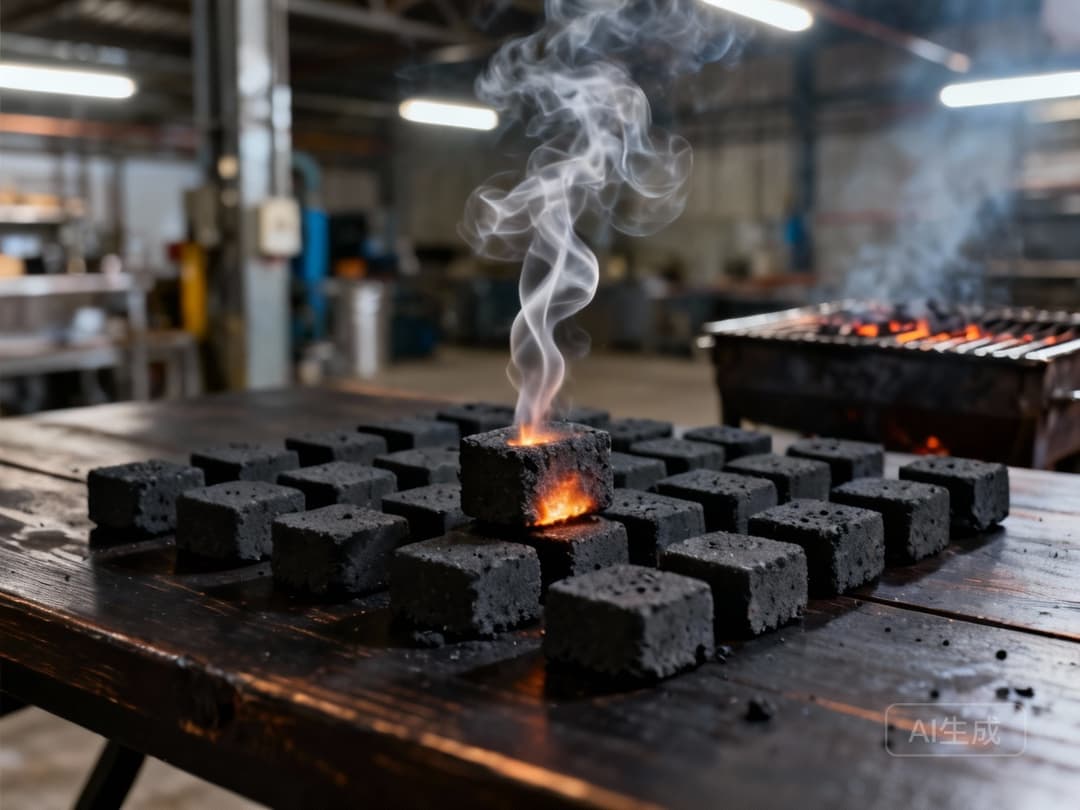
How Premium Bakhoor & BBQ Charcoal Can Eliminate Costly Headaches and Grow Your Business
For bakhoor, incense, BBQ, or catering businesses, subpar charcoal causes costly headaches like smoke, inconsistent burns, and customer churn. This guide explains how premium, specialized charcoal eliminates these pains, boosts profitability, and why partnering with a dedicated manufacturer drives growth.
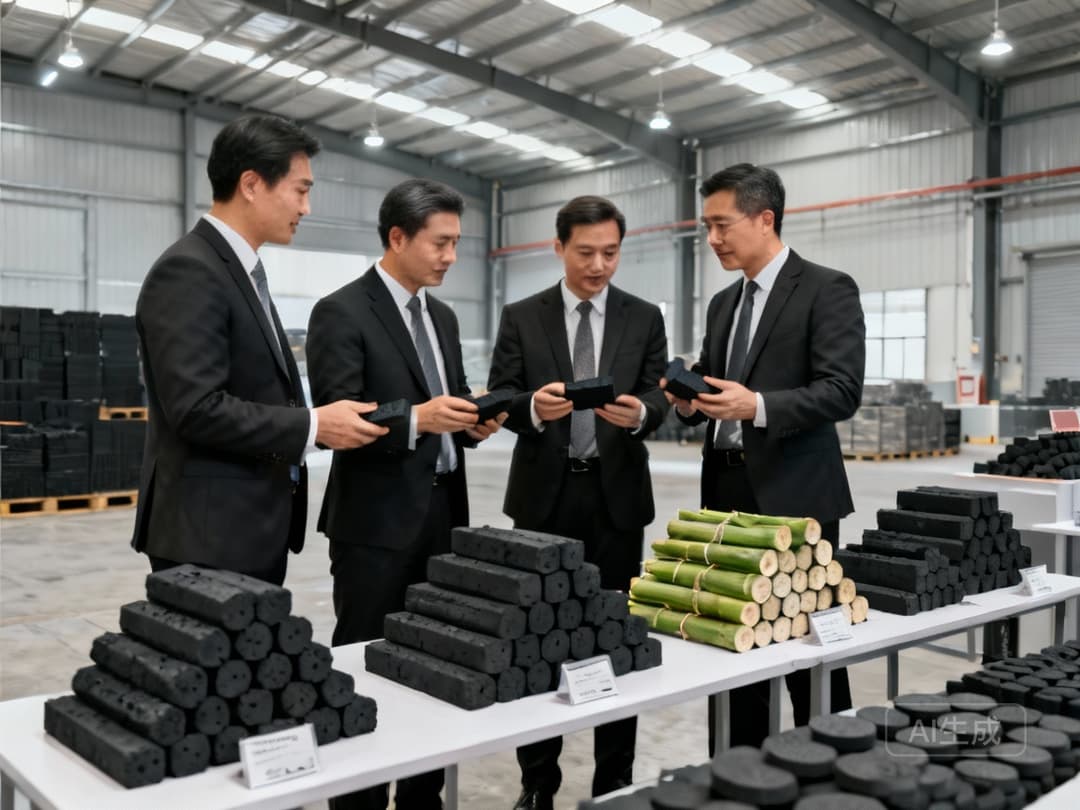
How Premium Bakhoor & BBQ Charcoal Boosts Your Bottom Line: Reduce Costs, Delight Customers, and Grow Revenue
Discover how premium, chemical-free bakhoor and BBQ charcoal reduce operational costs, enhance customer satisfaction, and drive revenue growth for B2B businesses. Learn key trends and solutions.

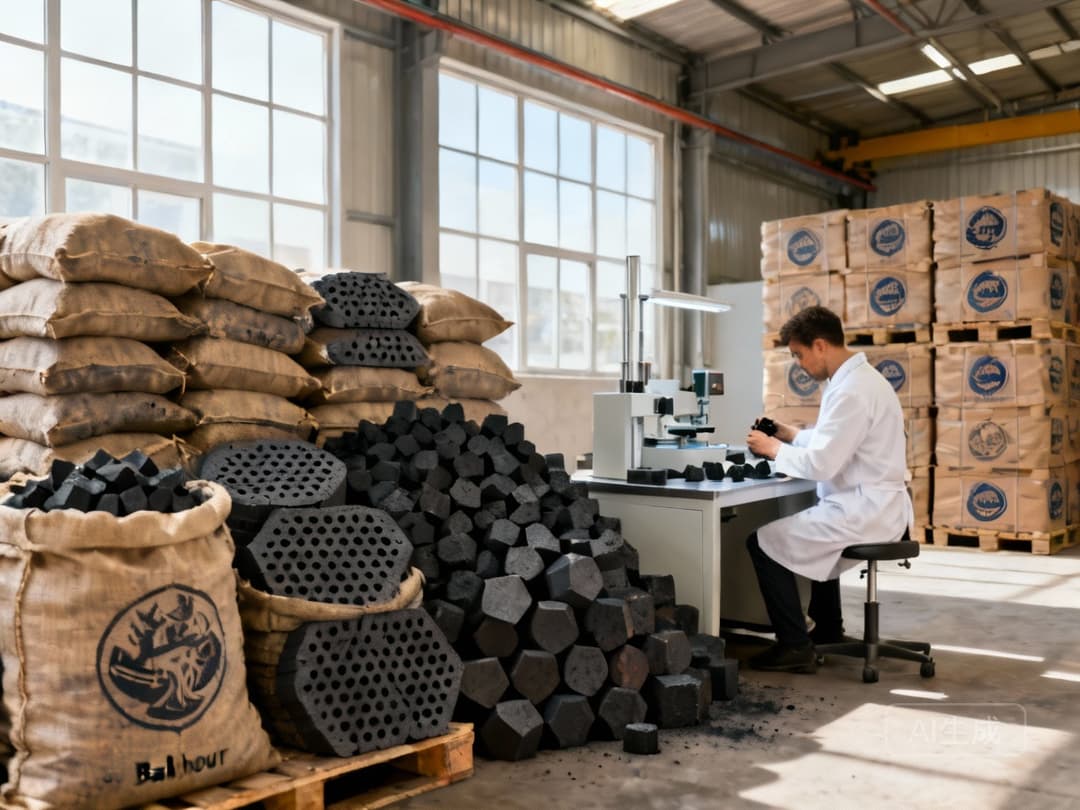
How Premium Bakhoor & BBQ Charcoal Eliminates Your Costly Headaches and Drives Growth
For bakhoor & BBQ businesses, low-quality charcoal drains profits, frustrates customers, and stalls growth. Discover how premium, purpose-built charcoal cuts costs by 20%, reduces cleanup time by 30%, and boosts satisfaction—with proven results from 500+ partners.

News
Transform Your Business with High-Quality Charcoal: Solutions for Bakhoor and BBQPremium Bakhoor and BBQ Charcoal: The Key to Boosting Customer Satisfaction and RevenueHow Premium Bakhoor & BBQ Charcoal Solves Your Business's Biggest ChallengesPremium Bakhoor & BBQ Charcoal Solutions for Business GrowthElevate Your Charcoal Business with Premium Solutions: Solving Pain Points in a Booming MarketElevate Your Business with Premium, Chemical-Free Charcoal: Solutions for Bakhoor & BBQHow Premium Charcoal Solves Your Business Challenges and Drives GrowthHow to Choose the Right Charcoal Supplier for Your Business: Quality, Cost, and ConsistencyElevate Your Incense and BBQ Offerings with Premium Charcoal SolutionsPremium Bakhoor & BBQ Charcoal: The Key to Solving Your Business's Operational HeadachesProducts
27mm Charcoal Tablets for Church Incense UseHookah Charcoal Tongs Stainless Steel Multi-Size Charcoal Tongs Hookah AccessoryWrought Iron Charcoal Incense Burner with Floral Carving - Middle Eastern Arabic Living Room DecorArab Golden Incense Burner, Home Indoor Cone Incense Burner, Small Middle Eastern Style Incense BurnerVintage Aladdin Lamp Incense Burner - Metal Craft Desktop Ornament in Luxe StyleCrystal Glass Arabian Style Incense Burner - Middle Eastern Craft Ornament - Muslim Aromatherapy Burner - Home DecorMiddle Eastern Arabic Creative Hollow Incense Burner, Light Luxury Style Living Room Tabletop Decorative Ornament, Incense BurnerGolden Arabic Style Charcoal Incense Burner - Living Room Tabletop Decorative Ornament & Aromatherapy BurnerMinimalist Modern Luxury Square Chalice Incense Burner - Middle Eastern Arabic Style Home DecorMiddle Eastern Arabian Style Ceramic Moon Incense Burner - Multi-color Options Semi-handcrafted Aromatic Decor