News Center
Learn everything about us, latest news and events
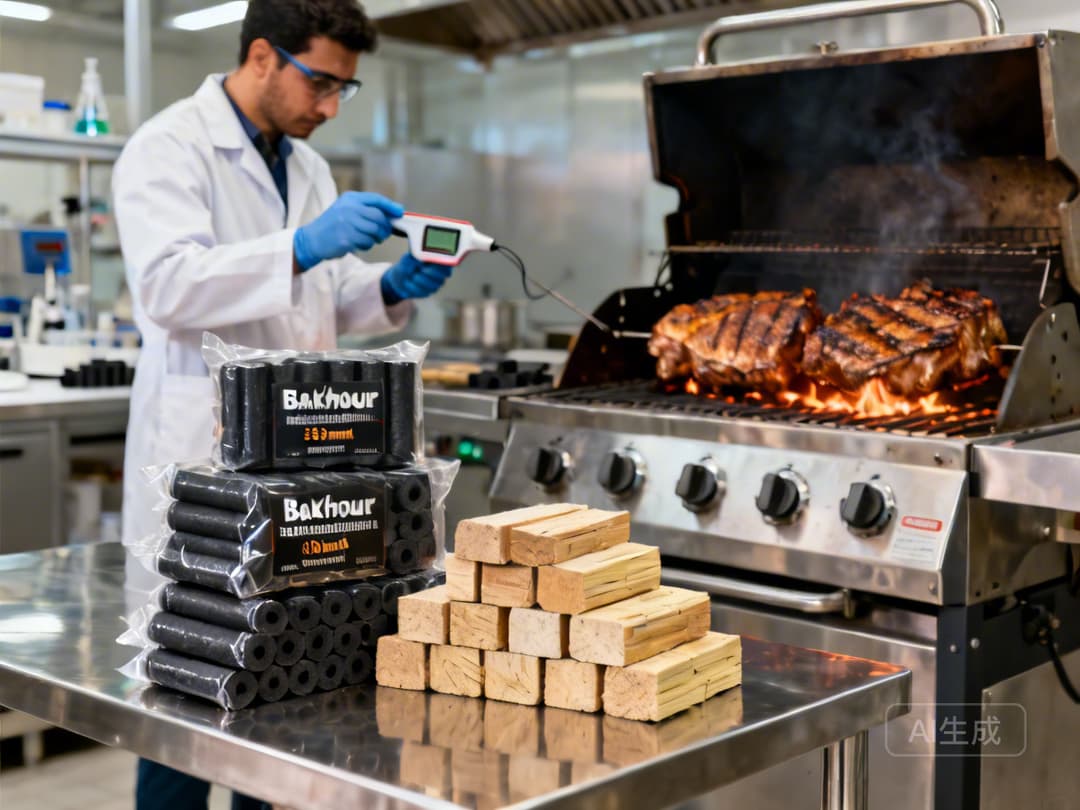
How the Right Charcoal Solves Your Bakhoor & BBQ Business’s Costliest Pain Points—and Boosts Profits
For bakhoor and BBQ businesses, wrong charcoal means lost customers, wasted product, and extra labor—costing you money. Learn how charcoal with fast ignition, low smoke, long burn time, and natural materials fixes these pain points, and how our ISO-certified, customizable products (trusted by 20+ countries) boost profits.
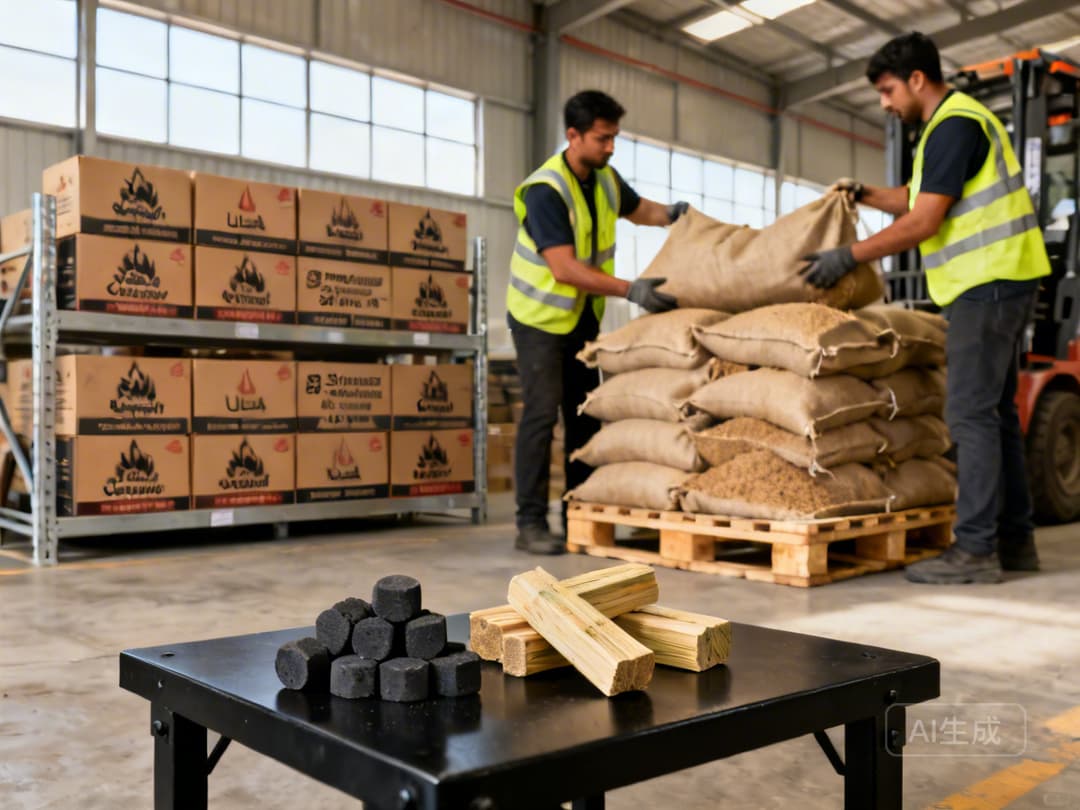
How the Right Bakhoor & BBQ Charcoal Solves Your Costliest Pain Points—and Boosts Profits
Low-quality charcoal drains profits via returns, downtime, and lost trust. Discover how premium bakhoor & BBQ charcoal—clean burning, long-lasting, customizable—solves these pain points, cuts costs, and drives repeat business for B2B buyers.
How the Right Charcoal Solves Your Bakhoor & BBQ Business’s Biggest Pain Points—and Boosts Profits
For bakhoor sellers, BBQ caterers, and incense retailers, smoky bakhoor, quick-burning charcoal, and messy ash harm profits. Discover how custom, chemical-free charcoal fixes these pain points, boosts repeat customers, and cuts operational costs.
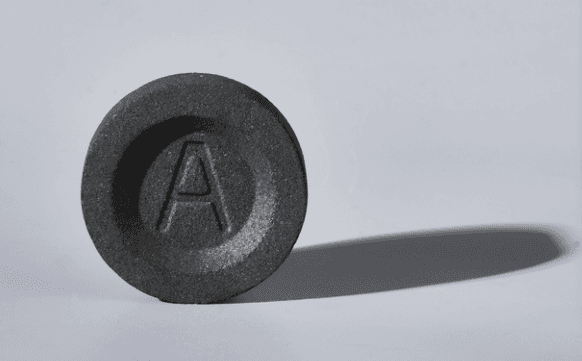
33mm vs 35mm vs 38mm vs 40mm Charcoal Tablets: Which One Is Best for Bakhoor?
When sourcing quick light charcoal tablets for bakhoor, one of the most common questions importers ask is: Which size should I choose — 33mm, 35mm, 38mm, or 40mm? Although these sizes look similar, they differ significantly in burning time, heat output, and commercial positioning. This comparison is based on real production specifications to help wholesalers and private label brands make the right choice.
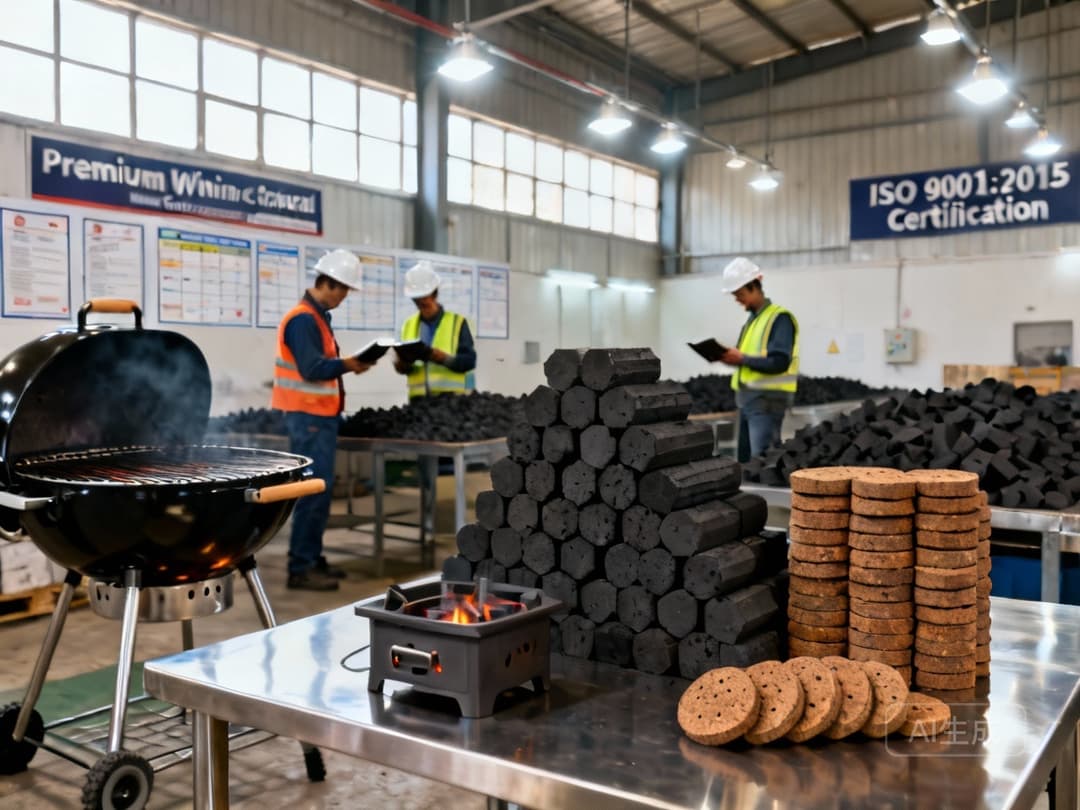
How the Right Charcoal Solves Your Bakhoor & BBQ Business’s Costliest Pain Points—and Boosts Profits
For bakhoor & BBQ businesses, smoky products, short-burning charcoal, inconsistent quality, and high ash eat into profits. Discover how premium, clean-burning, low-ash charcoal cuts costs, delights customers, and boosts your bottom line—with data and success stories to prove it.
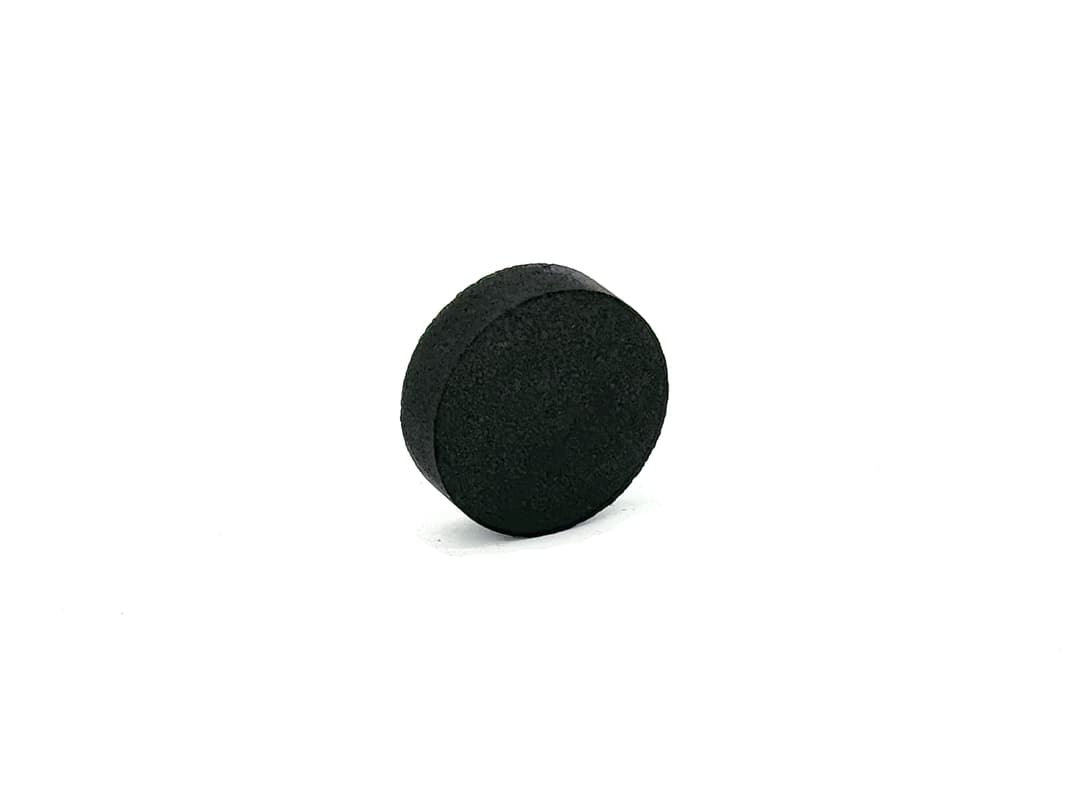
Private Label Packaging for Bakhoor Charcoal: Options, Costs & Common Mistakes
Packaging is often where private label bakhoor charcoal projects succeed or fail. This guide explains common packaging options, cost factors, and mistakes brand owners should avoid.
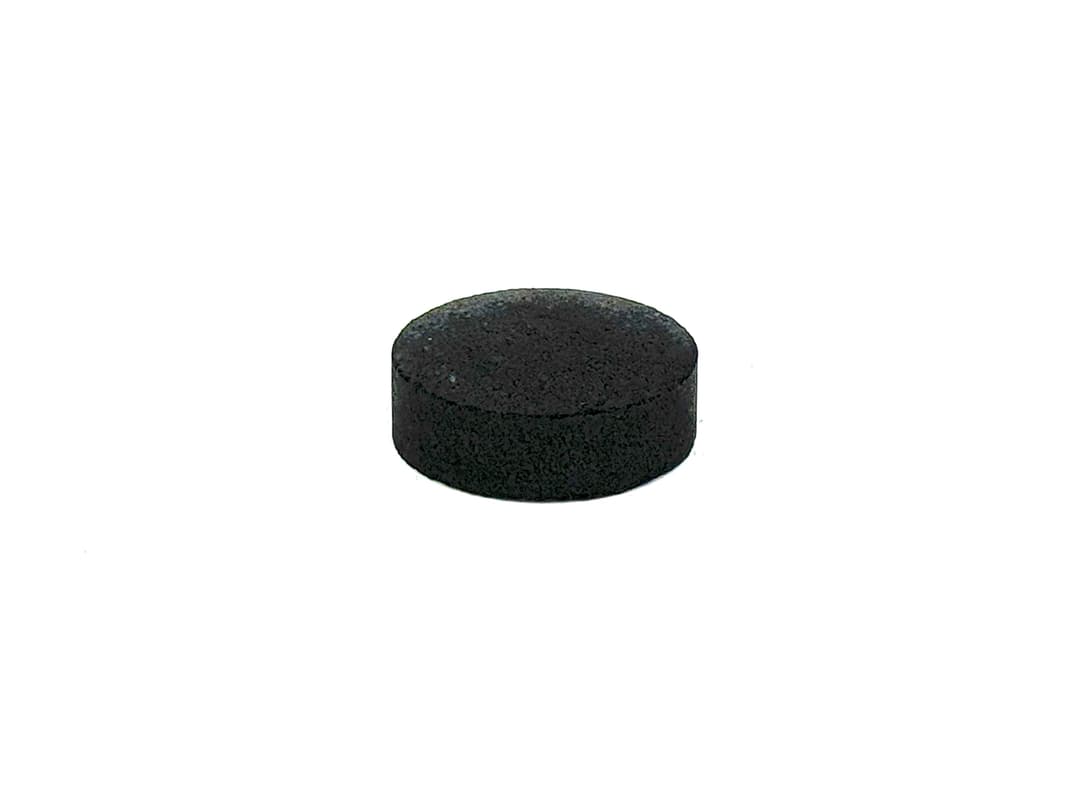
Private Label Quick Light Charcoal Tablets: Sizes, MOQ & Packaging
If you are a distributor, importer, or brand owner looking to launch or expand your private label bakhoor charcoal, choosing the right manufacturer is critical. We specialize in quick light charcoal tablets (33mm–40mm) made from apple wood, offering stable quality, flexible MOQ, and full OEM packaging solutions for Middle East, North Africa, and nearby European markets.
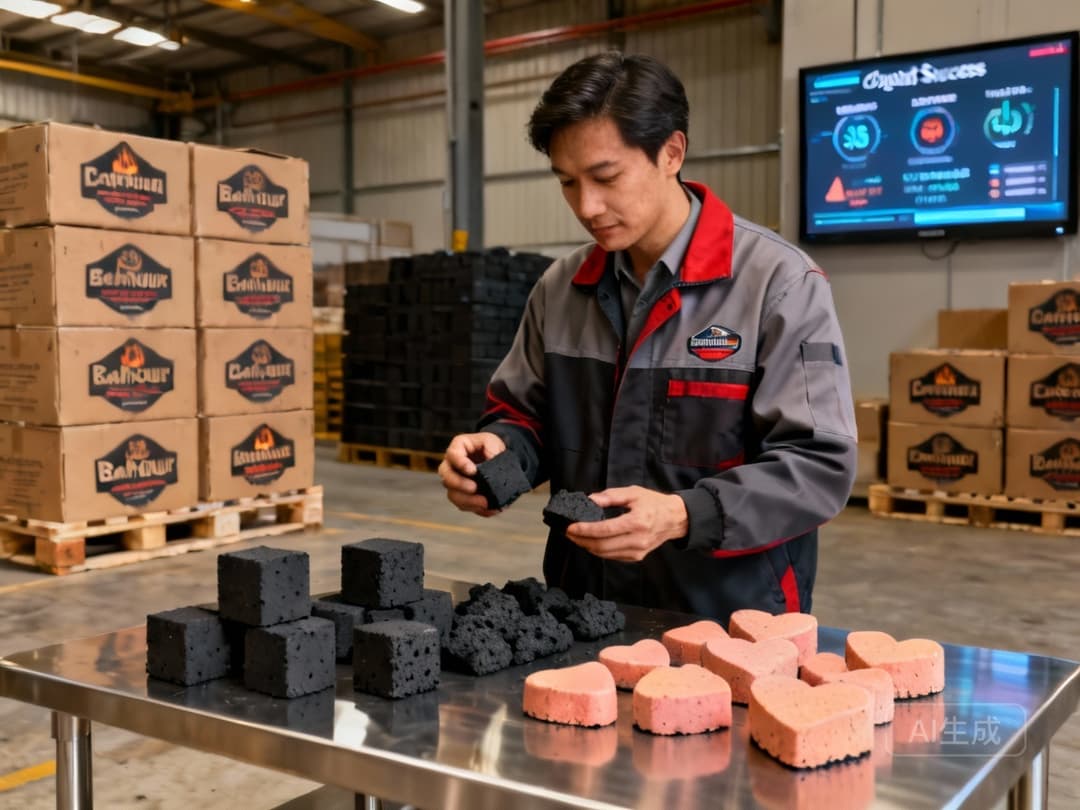
How the Right Charcoal Eliminates Bakhoor & BBQ Business Headaches and Boosts Profits
Stop losing profits to smoky bakhoor, short-burning BBQ charcoal, and bad quality. Choose premium, custom charcoal solutions—test free samples, schedule expert consultations, and boost margins with a trusted global manufacturer.
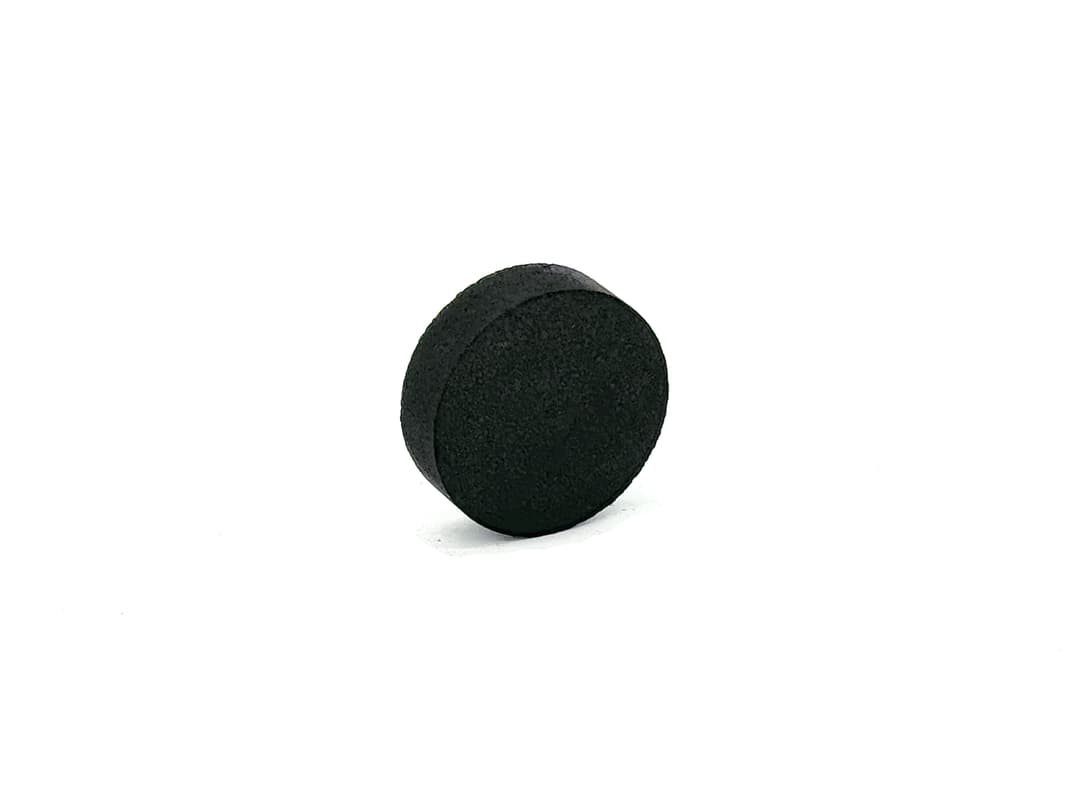
How to Choose the Right Charcoal Tablet Size for Bakhoor Burners
Choosing the correct **charcoal tablet size for bakhoor** directly affects burning performance, fragrance release, and customer satisfaction. For most Middle East markets, **33mm to 40mm quick light charcoal tablets** are considered the most practical and commercially successful sizes. This guide explains how to choose the right size based on **burning time, heat strength, and bakhoor usage scenarios**, helping wholesalers and private label brands make the right purchasing decision.

News
Transform Your Business with High-Quality Charcoal: Solutions for Bakhoor and BBQPremium Bakhoor and BBQ Charcoal: The Key to Boosting Customer Satisfaction and RevenueHow Premium Bakhoor & BBQ Charcoal Solves Your Business's Biggest ChallengesPremium Bakhoor & BBQ Charcoal Solutions for Business GrowthElevate Your Charcoal Business with Premium Solutions: Solving Pain Points in a Booming MarketElevate Your Business with Premium, Chemical-Free Charcoal: Solutions for Bakhoor & BBQHow Premium Charcoal Solves Your Business Challenges and Drives GrowthHow to Choose the Right Charcoal Supplier for Your Business: Quality, Cost, and ConsistencyElevate Your Incense and BBQ Offerings with Premium Charcoal SolutionsPremium Bakhoor & BBQ Charcoal: The Key to Solving Your Business's Operational HeadachesProducts
27mm Charcoal Tablets for Church Incense UseHookah Charcoal Tongs Stainless Steel Multi-Size Charcoal Tongs Hookah AccessoryWrought Iron Charcoal Incense Burner with Floral Carving - Middle Eastern Arabic Living Room DecorArab Golden Incense Burner, Home Indoor Cone Incense Burner, Small Middle Eastern Style Incense BurnerVintage Aladdin Lamp Incense Burner - Metal Craft Desktop Ornament in Luxe StyleCrystal Glass Arabian Style Incense Burner - Middle Eastern Craft Ornament - Muslim Aromatherapy Burner - Home DecorMiddle Eastern Arabic Creative Hollow Incense Burner, Light Luxury Style Living Room Tabletop Decorative Ornament, Incense BurnerGolden Arabic Style Charcoal Incense Burner - Living Room Tabletop Decorative Ornament & Aromatherapy BurnerMinimalist Modern Luxury Square Chalice Incense Burner - Middle Eastern Arabic Style Home DecorMiddle Eastern Arabian Style Ceramic Moon Incense Burner - Multi-color Options Semi-handcrafted Aromatic Decor